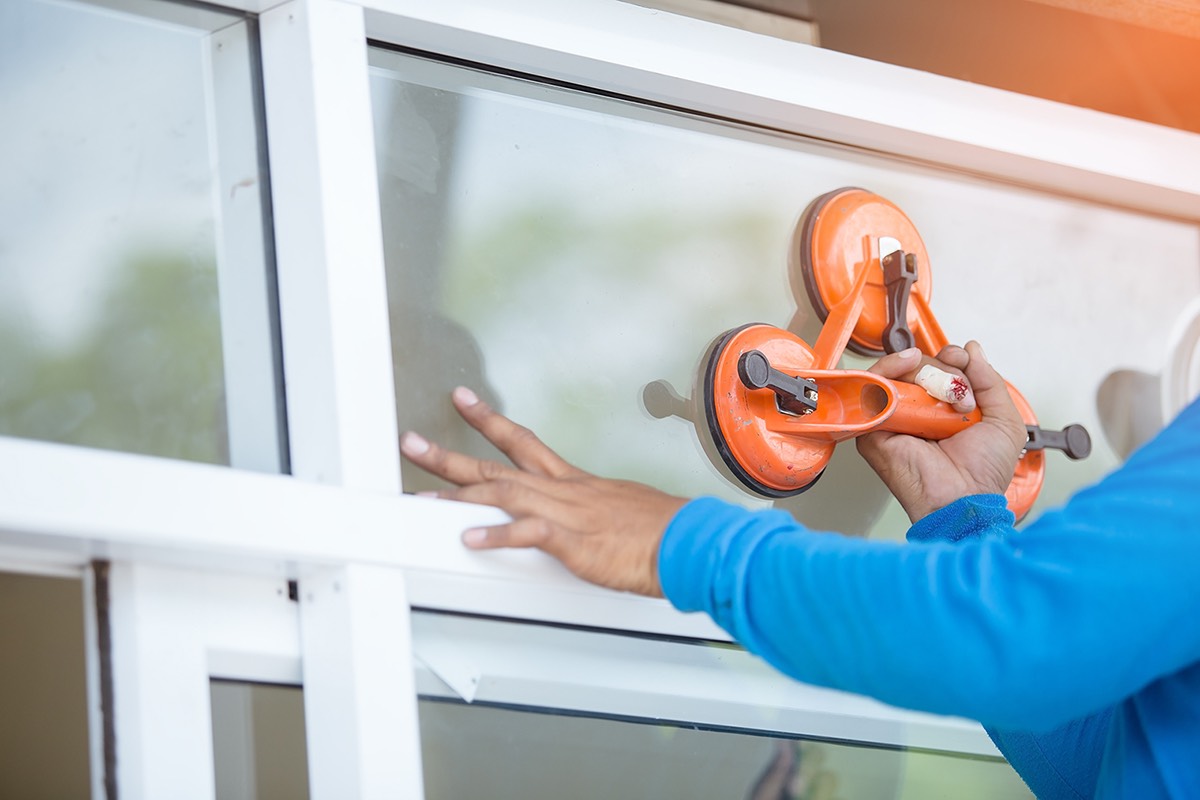
Window Pane Repair: A Comprehensive Guide
Windows are a crucial part of any home, offering natural light, ventilation, and a connection to the outdoors world. Nevertheless, with time, window panes can end up being harmed due to various elements such as weather, accidents, or use and tear. Fixing a harmed window pane is a task that can frequently be done by house owners, saving both time and cash. This extensive guide will walk you through the process of window pane repair, from evaluating the damage to completing the job.
Assessing the Damage
Before embarking on any repair, it's essential to assess the level of the damage. Here are some typical types of window pane damage:
- Cracks: Small, hairline fractures can often be fixed, but larger fractures typically need replacement.
- Chips: Small chips can be sanded and sealed, however bigger chips might need more substantial repair.
- Broken Panes: Completely damaged panes need to be replaced.
- Fogged Panes: If the window is double-paned and fog has established in between the layers, the pane may need to be replaced.
Tools and Materials Needed
To repair a window pane, you will need the following tools and materials:
- Safety glasses
- Work gloves
- Hammer
- Sculpt or putty knife
- Glazing points
- Glazing substance
- Putty knife
- Sandpaper
- New glass pane (if replacement is needed)
- Silicone sealant (optional)
- Cleaning materials (soap, water, sponges)
Step-by-Step Repair Process
Safety First
- Use security glasses and gloves to safeguard your eyes and hands from sharp glass pieces.
- Cover the workspace with a drop cloth to catch any particles.
Get Rid Of the Broken Glass
- Utilize a hammer and sculpt or a putty knife to thoroughly eliminate the damaged glass. Start from the edges and work your way inward.
- Dispose of the broken glass securely in a sturdy container.
Eliminate Old Glazing Compound
- Scrape away any old glazing compound utilizing a putty knife. Beware not to damage the wood frame.
- Clean the location with soap and water to eliminate any staying particles.
Install Glazing Points
- Insert glazing points every 6 to 8 inches around the border of the window frame. These will hold the brand-new glass in place.
- Press the glazing points strongly into the wood frame.
Cut and Install the New Glass
- Measure the opening to ensure the new glass fits completely.
- Cut the new glass to size using a glass cutter.
- Carefully position the new glass into the frame, ensuring it is focused and lined up with the glazing points.
Apply Glazing Compound
- Use a thin layer of glazing compound around the edges of the glass. Use a putty knife to smooth the compound and create a seal.
- Enable the glazing compound to dry according to the producer's instructions.
Finish and Seal
- Sand the dried glazing substance with fine-grit sandpaper to smooth it out.
- Apply a thin layer of silicone sealant around the edges of the glass for included defense (optional).
Clean and Inspect
- Tidy the window with soap and water to remove any residue.
- Inspect the repair to ensure it is safe and secure and airtight.
Frequently asked questions
Q: Can I repair a broken window pane without changing it?A: Small, hairline cracks can in some cases be fixed using a specialized window repair package. Nevertheless, bigger fractures normally require replacement to ensure the window stays structurally sound and energy-efficient.
Q: How do I prevent future window pane damage?A: Regular maintenance, such as cleansing and sealing the window frame, can assist avoid damage. Additionally, installing storm windows or window movie can provide additional security versus weather and effect.
Q: Can I utilize clear silicone sealant rather of glazing compound?A: While clear silicone sealant can be utilized, it is not as durable as glazing compound. experienced is specifically developed to endure the elements and supply a long-lasting seal.
Q: How long does it consider glazing substance to dry?A: The drying time for glazing substance can vary depending upon the brand name and ecological conditions. Generally, it takes 24 to 48 hours to dry entirely. Always follow the manufacturer's instructions for best outcomes.
Q: What should I do if the window frame is damaged?A: If the window frame is harmed, it might need to be fixed or replaced before installing a new glass pane. Consult an expert if you are not sure about the degree of the damage.
Fixing a harmed window pane is a task that can be achieved with the right tools, materials, and a little persistence. By following the actions detailed in this guide, property owners can save money and keep the stability of their windows. Keep in mind to prioritize security and make the effort to do the job correctly. With appropriate care and upkeep, your windows will continue to offer light, ventilation, and charm to your home for years to come.